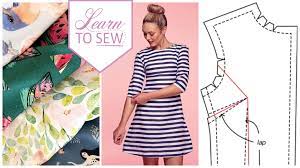
Sewing with a pattern can be a great way for beginners to start their sewing journey. It provides guidance and structure, helping you create garments or other sewn items with greater accuracy. Here's a step-by-step guide to sewing with a pattern for beginners:
- Choose a simple pattern: As a beginner, it's best to start with a simple pattern that matches your skill level. Look for patterns labeled as "beginner" or "easy" and select one that interests you. A basic skirt or a simple tote bag can be good choices to begin with.
- Gather your materials: Once you have your pattern, gather the materials mentioned on the pattern envelope. This typically includes fabric, thread, notions (such as buttons or zippers), and any other recommended supplies. Make sure you have the correct type and amount of fabric specified on the pattern.
- Prepare your fabric: Before cutting the fabric, prewash and dry it according to the fabric's care instructions. This step prevents shrinking or distortion of the final product after you've sewn it. Iron the fabric to remove any wrinkles before laying it out for cutting.
- Cut out the pattern pieces: Lay the fabric flat on a cutting surface, and carefully pin the pattern pieces to the fabric following the layout guide provided in the pattern instructions. Use sharp fabric scissors to cut around the pattern pieces. Take your time and cut precisely to ensure accurate shapes.
- Transfer markings: Pay attention to any markings on the pattern pieces, such as notches, darts, or placement lines. Use tailor's chalk or fabric markers to transfer these markings onto the fabric. This step helps you match and align the pieces correctly during sewing.
- Follow the instructions: Patterns typically come with detailed instructions that guide you through the sewing process. Read the instructions thoroughly before starting. They will explain the order of construction, stitching techniques, and any specific details or techniques required for that particular pattern.
- Pin and sew the pieces: Begin by pinning the fabric pieces together according to the instructions. Start with the easiest seams first, such as straight seams without any curves or corners. Use the appropriate stitch type and length as recommended in the instructions, usually a straight stitch for basic seams.
- Press the seams: After sewing each seam, press it with an iron. Pressing helps set the stitches and creates a neater finished result. Press the seam flat first, then open it up and press it again from the wrong side. Take care not to stretch the fabric while pressing.
- Continue assembly and finishing: Follow the instructions to sew the remaining pieces together until your project starts taking shape. Add any closures, such as buttons or zippers, as instructed. Finish the edges with techniques like zigzag stitching, serging, or hemming, depending on the pattern instructions and the desired finish.
- Try it on and make adjustments: Once you've completed the main construction, try the garment on if it's a wearable item. Check the fit and make any necessary adjustments, such as taking in or letting out seams. It's a good idea to baste (temporary hand stitch) the seams first, so it's easier to make changes if needed.
- Finish and admire your creation: Once you're satisfied with the fit and finish, complete any remaining steps, such as hemming, adding decorative elements, or applying finishing touches. Give your project a final press, and then enjoy your finished creation!
Remember, sewing with a pattern may involve new techniques and terminology, so don't hesitate to consult sewing references, online tutorials, or ask for help if you encounter any difficulties. With practice, your sewing skills will improve, and you'll be able to tackle more complex patterns and projects.